Welcome to our article on bird types that start with the letter Z! Within the vast world of avian creatures, there are several fascinating bird species that begin with the letter Z. These birds showcase the incredible diversity found in the avian world, with each species having its own unique characteristics and behaviors.
In the following sections, we will explore 12 bird types that start with Z, including their scientific names and the regions where they can be found. From the majestic zone-tailed hawk to the delightful zebra dove, each bird on this list has its own story to tell.
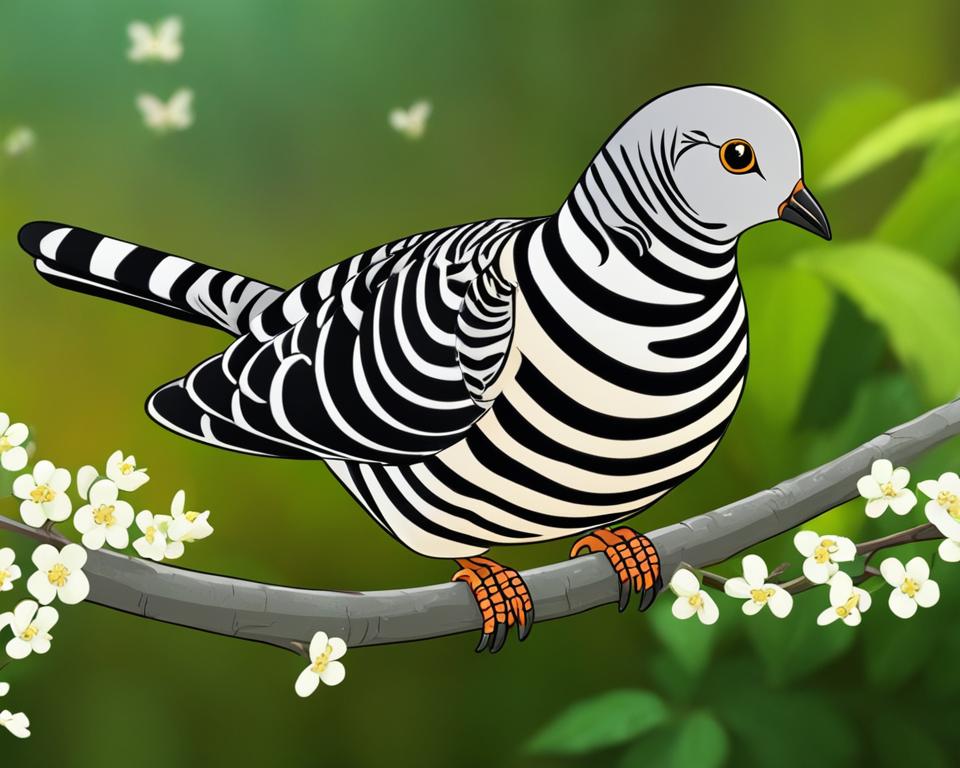
To help you visualize these remarkable birds, here’s an image of a stunning zebra dove:
Key Takeaways:
- There are multiple bird species that begin with the letter Z, each with its own distinctive features.
- The zone-tailed hawk, zebra dove, Zenaida dove, Zino’s petrel, Zeledon’s antbird, Zapata wren, Zapata sparrow, Zimmer’s tapaculo, and Zitting cisticola are some of the bird types that start with Z.
- These birds inhabit different regions around the world, including North America, the Caribbean, Madeira Island, Costa Rica, Panama, Cuba, and various other countries.
- Exploring the bird species that start with Z allows us to appreciate the diversity and beauty of the avian world and the wonders of nature.
- Keep reading to learn more about these remarkable Z birds and their captivating characteristics.
Zone-tailed Hawk
The zone-tailed hawk (Buteo albonotatus) is a fascinating medium-sized raptor that can be found in various regions, including Mexico, Central America, parts of southwestern U.S., and parts of central and eastern South America. These hawks sport a striking dark grayish-brown plumage that sets them apart. However, what truly captures attention is their flight pattern, which closely resembles that of a turkey vulture.
Zone-tailed hawks are skilled predators, preying on a diverse range of small birds, mammals, reptiles, and even amphibians. They are commonly found in specific habitats such as foothills, canyons, and mesas, where they demonstrate their hunting prowess.
The zone-tailed hawk is known for its remarkable ability to adapt its appearance and flight pattern to resemble turkey vultures. This mimicry confuses potential prey and allows the hawk to approach undetected, resulting in successful hunting opportunities.
If you happen to spot a zone-tailed hawk soaring through the skies, take a moment to appreciate its unique characteristics and impressive hunting skills. These majestic birds exemplify the diversity and beauty of our avian world, reminding us of the wonders of nature.
Zenaida Dove
The Zenaida dove (Zenaida aurita) is a bird species native to the Caribbean and Yucatan Peninsula. These doves closely resemble the North American mourning dove but are darker in color. They have a bright white strip on the inner part of the wing, which is visible during flight. Zenaida doves are ground feeders and primarily eat seeds and grains. They inhabit various habitats and are often found near water bodies.
The Zenaida dove, also known as Zenaida aurita, is a fascinating bird species found in the Caribbean and the Yucatan Peninsula. These doves exhibit striking similarities to the North American mourning dove, but they possess a darker coloration. During flight, the Zenaida dove showcases a distinctive bright white strip on the inner part of its wings, creating a beautiful contrast against its feathers. As ground feeders, Zenaida doves primarily consume seeds and grains, sustaining themselves in their various habitats, often in close proximity to water bodies.
Zino’s Petrel
The Zino’s petrel (Pterodroma madeira) is a rare bird species that breeds only on the island of Madeira in the Atlantic. These petrels make their nests on well-vegetated ledges in the central mountains of the island. They are active during the night at breeding sites and spend daylight hours at sea. Zino’s petrels are known to avoid predation by nesting in burrows they make themselves or old rabbit tunnels.
Zeledon’s Antbird
Zeledon’s antbird (Hafferia zeledoni) is a bird species found in Costa Rica, Panama, Columbia, and Ecuador. These fascinating birds are known for their distinctive appearance and behavior. The male Zeledon’s antbirds are all black, creating a striking contrast against the lush greenery of their habitat. In contrast, the females are all brown, providing them with excellent camouflage.
One of the most captivating features of Zeledon’s antbirds is the unfeathered patch of blue around their eyes, which adds a touch of color to their monochromatic plumage. This unique characteristic is shared by both males and females and serves as an identifying trait for the species.
Zeledon’s antbirds inhabit humid forests, where they reside in the lower levels of the canopy. These forests provide the perfect environment for their preferred hunting technique. Zeledon’s antbirds often follow swarms of ants, taking advantage of the insects disturbed by the ants as they forage on the forest floor.
In their search for food, Zeledon’s antbirds display agile and acrobatic movements as they navigate through the dense foliage. Their slender bodies allow them to maneuver effortlessly, making quick movements to catch small insects and invertebrates.
These antbirds’ presence in the forest is not only visually striking but also serves an essential ecological role. By feeding on insects and controlling ant populations, they contribute to the delicate balance of their ecosystem.
Zapata Wren
The Zapata Wren (Ferminia cerverai) is a fascinating bird species that is native to the Zapata Peninsula in Cuba. These wrens are known for their beautiful plumage, which is grayish-brown with fine barring all over their bodies. They inhabit the dense shrubs of the Zapata Swamp, where they find ample food and shelter.
Zapata Wrens have a diverse diet that consists mainly of insects, snails, spiders, tiny lizards, and berries. They have adapted well to their habitat, using their slender bills to probe and extract insects from the vegetation. These wrens are also excellent singers and are known for their loud and musical songs that resonate through the swamp.
The Zapata Wren plays an important role in the ecosystem of the Zapata Peninsula. It helps to control insect populations and disperses seeds as it feeds on berries. Despite their importance, these wrens are facing significant threats.
The critically endangered status of the Zapata Wren is primarily due to habitat loss caused by deforestation and the draining of wetlands for agriculture. Additionally, the introduction of non-native species and the invasion of the wren’s habitat by the Cuban blackbird have further compounded their decline.
Conservation efforts are underway to protect the Zapata Wren, including habitat restoration and monitoring programs. These efforts aim to safeguard this unique bird species and prevent its extinction.
| Zapata Wren | Scientific Name | Habitat | Diet | Status |
|---|---|---|---|---|
| Zapata Wren | Ferminia cerverai | Dense shrubs of the Zapata Swamp | Insects, snails, spiders, tiny lizards, and berries | Critically Endangered |
The table above provides a summary of the key characteristics of the Zapata Wren, including its scientific name, habitat, diet, and conservation status.
Threats to the Zapata Wren
“The critically endangered status of the Zapata Wren is primarily due to habitat loss caused by deforestation and the draining of wetlands for agriculture. Additionally, the introduction of non-native species and the invasion of the wren’s habitat by the Cuban blackbird have further compounded their decline.”
The Zapata Wren is a remarkable bird species that serves as a symbol of the unique biodiversity found in Cuba. Efforts to protect and conserve its habitat are crucial in ensuring the survival of this endangered bird. By raising awareness about the threats facing the Zapata Wren and supporting conservation initiatives, we can contribute to the preservation of this remarkable species for future generations to appreciate and admire.
Zapata Sparrow
The Zapata sparrow, scientifically known as Torreornis inexpectata, is predominantly found on the Zapata Peninsula of Cuba. These charming sparrows have a grayish-brown plumage, a yellow-tinted chest, a white throat, and a rusty cap. With their distinct coloring, Zapata sparrows stand out among their grassland habitat.
Zapata sparrows have a diverse diet that includes seeds, insects, flowers, and snails. They use their sharp beaks to pick up seeds and insects from the ground, while also feeding on nectar from nearby flowers. This varied diet ensures they have the necessary nutrients to thrive in their environment.
Unfortunately, Zapata sparrows are currently listed as “near threatened” due to the challenges they face in their habitat. Habitat loss caused by tourism and agriculture poses a significant threat to these birds. Efforts are being made to preserve and protect the grassland areas where they reside.
These lively sparrows contribute to the rich biodiversity of the Zapata Peninsula’s ecosystem. It is important to raise awareness about their conservation and ensure that appropriate measures are taken to safeguard their habitat and population.
Interesting Facts About Zapata Sparrow:
- Zapata sparrows inhabit grassland areas on the Zapata Peninsula of Cuba.
- Their diet consists of seeds, insects, flowers, and snails.
- These sparrows have a grayish-brown plumage with a yellow-tinted chest, white throat, and rusty cap.
- They are currently considered “near threatened” due to habitat loss.
Zimmer’s Tapaculo
Zimmer’s tapaculo, scientifically known as Scytalopus zimmeri, is a small bird species that can be found in southern Bolivia and northwest Argentina. These elusive birds have distinct physical features, including a brown, barred tail and rump, gray mid-body, white throat, and a white strip across the forehead.
The Zimmer’s tapaculo is well adapted to its habitat, often foraging on the ground among roots and ferns. They are commonly spotted perching on rocks or low vegetation, blending in seamlessly with their surroundings. These tapaculos prefer rocky slopes and ravines along the slopes of the Andes Mountains, where they find shelter and resources.
Although they may be difficult to spot, Zimmer’s tapaculos are known for their melodious songs, often heard echoing through their mountainous habitats. They are an integral part of the rich biodiversity found in South America’s high-altitude regions, contributing to the natural beauty and ecological balance of these areas.
“The Zimmer’s tapaculo’s unique physical attributes and habitat preferences make it a fascinating bird species to study. Their adaptability in rocky terrains and their distinct vocalizations contribute to their secretive yet captivating nature.”
The Zimmer’s tapaculo is an important reminder of the diverse avian species found in the Andes Mountains. Through their existence, they highlight the intricate web of life and the need for biodiversity conservation efforts to preserve these unique bird species for future generations.
Zitting Cisticola
The Zitting cisticola (Cisticola juncidis) is a tiny bird species found in southern Europe, Africa, southern Asia, and northern Australia. These birds have a short tail with a rounded, white-tipped end and a light throat and chest. Zitting cisticolas are insect-eating birds that live in grassland habitats near water bodies. During the breeding season, males fly in a zigzag pattern while making frequent “zitting” calls, resembling the sound of scissors opening and closing.
Zitting cisticolas, also known as fan-tailed warblers, are small passerine birds known for their distinctive behavior and vocalizations. With their agile flight and constant calls, they captivate birdwatchers and nature enthusiasts.
Notable Features:
- Short tail with a rounded, white-tipped end
- Light throat and chest
- Insect-eating habits
- Grassland habitat near water bodies
- Unique zigzag flight pattern during breeding season
- Vocalizations resembling the sound of scissors opening and closing
“The Zitting cisticola is a true testament to the wonders of nature. Its intricate flight pattern and distinctive calls make it a remarkable species to observe.” – Birdwatcher
These tiny birds are often found in grassy areas, where they forage for insects and other small invertebrates. Their preference for grassland habitats makes them important indicators of the health of these ecosystems. As small birds, they play a crucial role in controlling insect populations and contribute to the overall balance of their respective habitats.
| Scientific Name | Common Name | Region |
|---|---|---|
| Cisticola juncidis | Zitting Cisticola |
|
The Zitting cisticola’s wide distribution across different regions is a testament to its adaptability and resilience. From the scenic grasslands of Europe to the vast savannahs of Africa, these birds thrive in a variety of environments.
If you ever come across a grassy meadow near a water body, keep an eye out for the Zitting cisticola. Its charming presence and unique behaviors make it a delightful subject for birdwatchers and nature photographers alike.
Conclusion
In conclusion, the world of avian species is filled with fascinating birds that start with the letter Z. From the majestic Zone-tailed Hawk to the elegant Zenaida Dove, these unique bird types captivate us with their diverse characteristics and behaviors. Whether they soar through the skies of Mexico, explore the forests of Costa Rica, or grace the fields of Cuba, these Z birds remind us of the beauty and wonder of nature.
Exploring the bird species that start with Z allows us to appreciate the incredible variety of life on our planet. Each bird has its own distinct features and adaptations that enable them to thrive in their respective environments. Whether it’s the Zino’s Petrel nesting in the remote island of Madeira or the Zeledon’s Antbird following swarms of ants in the tropical forests of Central and South America, these birds remind us of the delicate balance of ecosystems and the interconnectedness of all living beings.
By learning about and preserving these bird types, we contribute to the conservation of our natural heritage. Whether through birdwatching, habitat preservation, or supporting conservation efforts, we can all play a role in ensuring that these magnificent creatures continue to grace our skies for generations to come. Let us celebrate the Bird Types That Start With Z and their remarkable contributions to the tapestry of life.
FAQ
What are some bird types that start with Z?
Some bird types that start with Z include the Zone-tailed Hawk, Zenaida Dove, Zino’s Petrel, Zeledon’s Antbird, Zapata Wren, Zapata Sparrow, Zimmer’s Tapaculo, and Zitting Cisticola. These birds represent a diverse range of species found in various regions around the world.
Where can I find the Zone-tailed Hawk?
The Zone-tailed Hawk can be found in Mexico, Central America, parts of southwestern U.S., and parts of central and eastern South America. They are commonly found in foothills, canyons, and mesas.
What are the unique characteristics of the Zenaida Dove?
The Zenaida Dove closely resembles the North American mourning dove but is darker in color. It has a bright white strip on the inner part of the wing, which is visible during flight. Zenaida Doves are ground feeders and primarily eat seeds and grains.
Where is the Zino’s Petrel found?
The Zino’s Petrel breeds only on the island of Madeira in the Atlantic. They make their nests on well-vegetated ledges in the central mountains of the island and spend daylight hours at sea.
What is the habitat of the Zeledon’s Antbird?
Zeledon’s Antbirds live in humid forests in Costa Rica, Panama, Columbia, and Ecuador. They can often be seen in the lower levels of the canopy and often follow swarms of ants to catch insects disturbed by the ants.
What are the main characteristics of the Zapata Wren?
The Zapata Wren is an endangered bird species found only on the Zapata Peninsula in Cuba. It is grayish-brown with fine barring all over its body and is known for its loud and musical song. The Zapata Wren inhabits the thick shrubs of the Zapata Swamp and feeds mainly on insects, snails, spiders, tiny lizards, and berries.
What are the threats to the Zapata Sparrow?
The Zapata Sparrow, mainly found on the Zapata Peninsula of Cuba, is currently considered “near threatened.” It faces threats from habitat loss due to tourism and agriculture. The Zapata Sparrow is grayish-brown with a yellow-tinted chest, white throat, and rusty cap.
Where can Zimmer’s Tapaculo be found?
Zimmer’s Tapaculo is a small bird species found in southern Bolivia and northwest Argentina. It inhabits rocky slopes and ravines along the slopes of the Andes Mountains.
What are the unique characteristics of the Zitting Cisticola?
The Zitting Cisticola is a tiny bird species found in southern Europe, Africa, southern Asia, and northern Australia. It has a short tail with a rounded, white-tipped end and a light throat and chest. During the breeding season, males fly in a zigzag pattern while making frequent “zitting” calls, resembling the sound of scissors opening and closing.
What can we learn by exploring bird species that start with Z?
Exploring bird species that start with Z allows us to appreciate the incredible diversity and beauty of the avian world. It highlights the wonders of nature and the countless species that inhabit our planet, showcasing their unique characteristics, behaviors, and habitats.