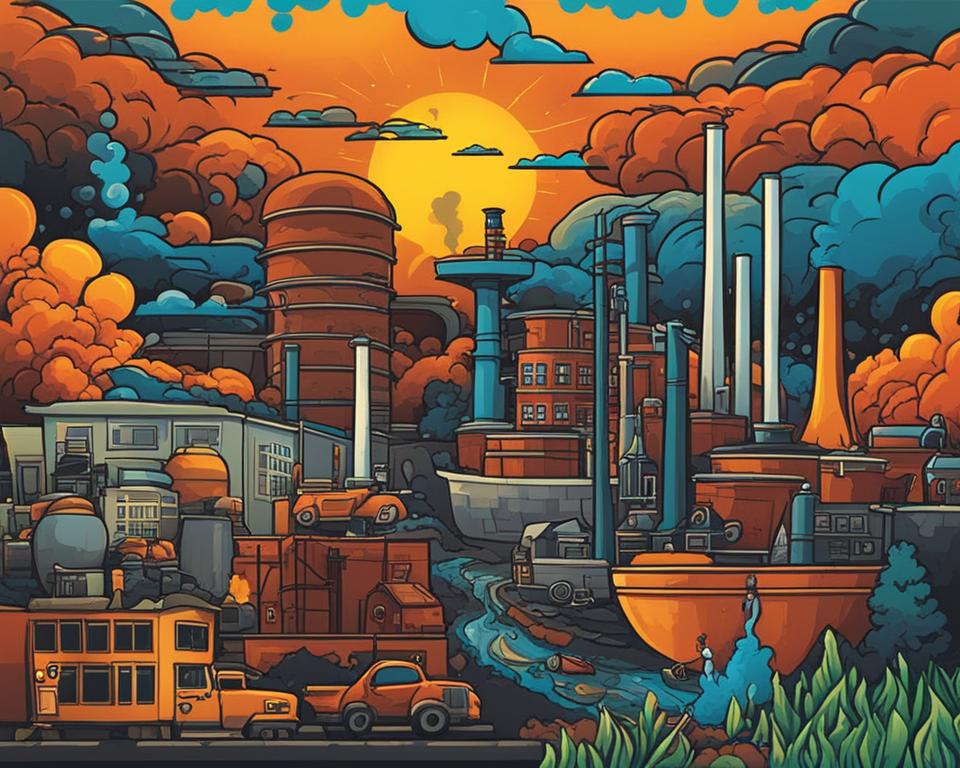
Pollution is a pressing global concern that affects the land, air, and water of our planet. To address this issue, it is crucial to have a clear understanding of the facts about pollution. In this article, we will explore various aspects of pollution, including its causes, effects, and different types. By delving into pollution statistics, we can gain a better understanding of the magnitude of the problem and the need for action.
Key Takeaways:
- Familiarize yourself with important facts about pollution, including air pollution, water pollution, and land pollution.
- Understand the causes of pollution, both man-made and natural, to identify areas where action can be taken.
- Recognize the devastating effects of pollution on human health and the environment.
- Be aware of alarming pollution statistics to grasp the urgency of addressing this issue.
- Learn about efforts and initiatives to combat pollution and promote environmental sustainability.
Alarming Air Pollution Facts
Air pollution is a grave environmental issue that poses significant threats to our planet and human health. The following air pollution facts shed light on the severity of the problem, emphasizing the urgent need for action:
- Exposure to Contaminated Air: Over 91% of the world’s population is exposed to air pollution levels that exceed the World Health Organization’s (WHO) guidelines. This means that the majority of people are breathing polluted air on a daily basis, endangering their well-being.
- Economic Costs: Air pollution has detrimental effects on economies worldwide. According to the World Bank, the economic costs of air pollution, including healthcare expenses and reduced productivity, amounted to $5.7 trillion globally in 2016.
- Health Impacts: Air pollution can lead to various health issues, particularly respiratory and cardiovascular diseases. Studies have linked air pollution to asthma, lung cancer, heart attacks, and strokes, among other ailments.
- Environmental Consequences: Air pollution not only affects human health but also damages ecosystems and wildlife. Pollutants emitted into the air can have detrimental effects on forests, rivers, and marine life, disrupting delicate ecological balance.
- Disproportionate Effects: Certain populations, such as children, the elderly, and individuals with pre-existing health conditions, are more vulnerable to the adverse effects of air pollution. The impact of polluted air on these groups can be particularly severe.
To visualize the impact of air pollution, refer to the statistics below:
| Air Pollution Statistics |
|---|
|
By addressing air pollution, we can improve the quality of the air we breathe, safeguard our health, and protect the environment for future generations.
Devastating Effects of Water Pollution
Water pollution is a major concern that threatens the health of our ecosystems and the well-being of living organisms. The following facts about water pollution shed light on its devastating effects.
The Contamination of Drinking Water Sources
Water pollution poses a serious risk to our drinking water sources. Contaminants like chemicals, heavy metals, and bacteria can infiltrate our water supply, posing a significant threat to human health.
Negative Impact on Marine Life
Water pollution has a detrimental effect on marine life, disrupting delicate ecosystems and threatening the survival of various species. Toxic substances in polluted water can harm aquatic organisms and disrupt their natural habitats.
Threat to Human Health
Exposure to polluted water can lead to a range of health problems in humans. Consuming contaminated water can cause gastrointestinal illnesses, skin rashes, and even more severe conditions such as cancer and neurological disorders.
Environmental Imbalance
Water pollution disrupts the balance of our ecosystems, leading to a decline in biodiversity. When pollutants enter water bodies, they can harm plants, animals, and other organisms, ultimately affecting the overall ecological health of the environment.
The effects of water pollution are far-reaching, impacting both wildlife and human populations. It is imperative that we take immediate action to address this pressing issue and protect our precious water resources.
Land Pollution: A Slowly Growing Threat
While air and water pollution often capture the spotlight, land pollution quietly poses a significant threat to our environment. Improper waste disposal and industrial activities have dire consequences for our land resources, impacting both the quality of our soil and the delicate balance of ecosystems. Let’s explore some facts about land pollution and the long-term effects it entails.
The Effects of Land Pollution
Inappropriate disposal of hazardous and non-biodegradable waste leads to the degradation of soil quality. Chemical pollutants seep into the ground, contaminating the land and rendering it unfit for agriculture and other productive uses. As a result, food production is hampered, exacerbating issues of food security and scarcity.
Moreover, land pollution has devastating impacts on biodiversity and ecosystems. Contaminated land can no longer support diverse plant and animal species, leading to the disappearance of vital habitats. Wetlands, in particular, are greatly affected by land pollution. These vital ecosystems, known for their crucial role in flood control and water purification, are disappearing at an alarming rate due to pollution, further aggravating the effects of climate change.
Land pollution not only threatens the health of our natural environment but also jeopardizes the well-being and livelihoods of communities worldwide.
– Jane Goodall
Land Pollution Facts and Statistics
| Land Pollution Facts | Land Pollution Statistics |
|---|---|
| Land pollution is predominantly caused by industrial activities, mining operations, and improper solid waste management. | |
| The release of pollutants into the soil can persist for decades or even centuries, leading to long-term contamination. | |
| According to the World Health Organization (WHO), approximately 3 million deaths occur globally every year due to exposure to polluted soil and contaminated environments. | |
| Loss of agricultural land due to pollution affects global food production and contributes to food scarcity. | |
| Wetland loss due to pollution disrupts ecosystems, leading to a decline in species diversity and loss of natural flood control mechanisms. |
These facts and statistics underscore the urgent need to address land pollution and prioritize sustainable land management practices. By adopting responsible waste disposal methods and promoting conservation efforts, we can protect our land resources and preserve the delicate balance of our ecosystems.
The Types of Pollution We Encounter
Pollution is a multifaceted issue that affects various aspects of our environment. To effectively combat pollution, it is essential to understand the different types and their sources. The three primary types of pollution are:
- Air Pollution: Air pollution is the contamination of the atmosphere by harmful substances, such as pollutants, gases, and particulate matter. This type of pollution is often caused by industrial emissions, vehicle exhaust, and the burning of fossil fuels.
- Water Pollution: Water pollution refers to the contamination of water bodies like rivers, lakes, and oceans. It occurs when pollutants such as chemicals, sewage, and waste products are discharged into water sources, compromising water quality and harming aquatic life.
- Land Pollution: Land pollution involves the degradation of land resources and ecosystems. It occurs due to improper waste disposal, industrial activities, and the excessive use of pesticides and fertilizers. Land pollution negatively impacts soil fertility, biodiversity, and even human health.
By recognizing the sources and characteristics of each type of pollution, we can develop targeted strategies to minimize their harmful effects. Let’s explore these types of pollution in more detail.
Now that we have a basic understanding of the types of pollution, let’s further delve into their specific characteristics and the challenges they present.
Causes of Pollution: Man-made and Natural Factors
Pollution is a complex problem that stems from various sources. Understanding the causes of pollution is vital to mitigating its impact on our environment. Both human activities and natural phenomena contribute to pollution levels, resulting in detrimental effects on our planet. By comprehending the different factors that contribute to pollution, we can implement measures to minimize its impact and protect our environment.
Man-made pollution is a significant contributor to our environmental woes. Industrial activities, such as factories and power plants, release harmful emissions into the air and water. Improper waste disposal practices also contaminate land and water resources. Additionally, transportation and agriculture contribute to pollution levels through vehicle emissions and the use of fertilizers and pesticides.
Natural pollution sources, although not directly influenced by human activities, can also significantly impact our environment. Volcanic eruptions, for example, release large amounts of ash and gases into the atmosphere. Forest fires emit smoke and pollutants that can travel long distances. These natural phenomena can have far-reaching effects on air quality and ecosystem health.
The Causes of Pollution
- Industrial emissions from factories and power plants
- Vehicle emissions from transportation
- Improper waste disposal practices
- Use of fertilizers and pesticides in agriculture
- Volcanic eruptions
- Forest fires
Identifying the causes of pollution empowers us to take targeted action to reduce pollution levels. By implementing stricter regulations on industrial emissions, promoting the use of clean energy sources, and adopting sustainable waste disposal practices, we can effectively combat man-made pollution. Additionally, monitoring and managing natural pollution sources can help mitigate their environmental impact.
Efforts to address pollution require a collaborative approach involving governments, industries, communities, and individuals. By raising awareness about the causes of pollution and advocating for sustainable practices, we can protect our environment and create a healthier future for generations to come.
The Far-Reaching Effects of Pollution on Human Health
Pollution has dire consequences for human health, leading to a range of diseases and premature deaths. The harmful effects of pollution on the human body are well-documented, and studies have shown a clear link between exposure to pollutants and various health conditions. Here, we explore the impact of pollution on human health, including its association with respiratory disorders, cardiovascular diseases, and even cancer.
Respiratory Disorders: Air pollution, particularly the presence of fine particulate matter (PM2.5) and toxic gases, has a significant impact on respiratory health. Prolonged exposure to air pollutants can lead to the development or exacerbation of respiratory conditions such as asthma, chronic obstructive pulmonary disease (COPD), and bronchitis. These pollutants can irritate the airways, cause inflammation, and reduce lung function, making individuals more susceptible to respiratory infections and respiratory-related hospitalizations.
Cardiovascular Diseases: Pollution, especially air pollution, has been linked to an increased risk of cardiovascular diseases. Fine particulate matter and other air pollutants can enter the bloodstream through the respiratory system, triggering inflammation, oxidative stress, and the formation of plaques in the arteries. These factors contribute to the development of conditions such as heart disease, stroke, and high blood pressure. Long-term exposure to pollutants can accelerate the progression of existing cardiovascular diseases and increase the risk of cardiovascular-related mortality.
Cancer: Certain pollutants are classified as carcinogens, meaning they have the potential to cause cancer. Exposure to these substances, either through inhalation or ingestion, can increase the risk of developing various types of cancer. For instance, long-term exposure to air pollutants, such as benzene and formaldehyde, has been associated with an elevated risk of lung cancer. Additionally, chemicals present in polluted water sources can contaminate food and contribute to the development of gastrointestinal and bladder cancers.
By understanding the health risks associated with pollution, we can prioritize efforts to reduce exposure and protect vulnerable populations. Implementing stricter regulations on industrial emissions, promoting cleaner energy sources, improving waste management practices, and advocating for sustainable transportation options are crucial steps towards mitigating the adverse effects of pollution on human health.
| Pollution-Related Diseases | Impacted Body Systems |
|---|---|
| Asthma | Respiratory System |
| Chronic Obstructive Pulmonary Disease (COPD) | Respiratory System |
| Bronchitis | Respiratory System |
| Heart Disease | Cardiovascular System |
| Stroke | Cardiovascular System |
| High Blood Pressure | Cardiovascular System |
| Lung Cancer | Respiratory System |
| Gastrointestinal Cancer | Gastrointestinal System |
| Bladder Cancer | Urinary System |
Alarming Pollution Statistics
Statistics play a crucial role in understanding the magnitude and scope of pollution. By examining pollution statistics, we can grasp the urgency of addressing this global issue and advocating for sustainable practices.
Air Pollution:
In 2020, an estimated 7 million deaths worldwide were attributed to air pollution, making it one of the leading environmental health risks.
Economic Costs:
The economic costs associated with pollution are staggering. According to the World Bank, pollution-related healthcare expenses and lost labor productivity amount to $4.6 trillion globally each year.
Degraded Land:
Approximately 24% of land across the world is classified as degraded, primarily due to pollution and unsustainable land management practices.
“Pollution is not just an environmental issue; it is also an economic and public health crisis. These statistics underscore the need for immediate action to tackle pollution and protect our planet.” – Dr. Jane Johnson, Environmental Scientist
Efforts to Combat Pollution and Promote Environmental Sustainability
Although pollution poses a significant challenge, numerous efforts are underway to combat it and promote environmental sustainability. From transitioning to clean energy sources to implementing stricter regulations, sustainable practices are becoming increasingly prevalent.
One key initiative is the adoption of renewable energy, such as solar and wind power. By harnessing these clean energy sources, we can reduce our dependence on fossil fuels and minimize air pollution. According to recent studies, renewable energy has the potential to significantly decrease greenhouse gas emissions and mitigate the effects of climate change.
Another crucial strategy is the implementation of strict regulations and policies to control pollution. Governments and regulatory bodies are working to enforce emissions standards for industries and vehicles, limiting their impact on air quality and reducing harmful pollutants. Furthermore, legislation targeting the proper management and disposal of waste is essential in preventing pollution of the land and water sources.
“Sustainable development is the pathway to the future we want for all. It offers a framework to generate economic growth, achieve social justice, exercise environmental stewardship and strengthen governance.” – Ban Ki-moon
Recycling and waste management practices also play a vital role in pollution reduction. By promoting recycling programs and encouraging responsible waste disposal, we can minimize the amount of waste ending up in landfills and reduce the pollution associated with their decomposition. Furthermore, proper waste management prevents toxins and pollutants from seeping into the soil and groundwater, preserving the health of our ecosystems.
Promoting Environmental Conservation
Environmental conservation is an integral part of efforts to combat pollution. By conserving natural resources and protecting ecosystems, we can significantly contribute to pollution reduction.
One effective approach is the preservation and restoration of forests. Trees act as natural filters, absorbing carbon dioxide and other pollutants from the air. Additionally, forests provide habitat for diverse wildlife and help maintain the balance of ecosystems.
Another essential aspect of environmental conservation is the protection of water bodies. Wetland conservation, for example, helps filter pollutants and purify water, ensuring the preservation of clean drinking water sources. Additionally, wetlands provide habitat for numerous species and support biodiversity.
Education and Awareness
Education and awareness are instrumental in fostering a culture of sustainability and pollution reduction. By informing individuals about the environmental impact of their actions and providing practical solutions, we can encourage sustainable practices on a personal and community level.
Through campaigns, workshops, and educational programs, organizations and governments can raise awareness about the importance of reducing pollution and the benefits of sustainable practices. By empowering individuals with knowledge, we can drive meaningful change and shape a healthier and cleaner future.
| Efforts to Combat Pollution | Benefits |
|---|---|
| Transition to clean energy sources | Reduces air pollution and mitigates climate change |
| Implementation of strict regulations and policies | Controls pollution from industries and vehicles |
| Recycling and waste management practices | Minimizes waste in landfills and prevents soil and groundwater pollution |
| Preservation and restoration of forests | Filters pollutants from the air and supports biodiversity |
| Protection of water bodies and wetlands | Preserves clean water sources and supports aquatic ecosystems |
Conclusion
Pollution is a complex and pressing issue that affects every aspect of our environment. Throughout this article, we have explored the various facts about pollution, including its causes, effects, and different types. It is evident that pollution poses a significant threat to our planet’s well-being and the health of future generations.
To address this problem, it is crucial for individuals, communities, and governments to take action. By implementing sustainable practices in our daily lives, such as reducing waste, conserving energy, and promoting recycling, we can actively contribute to reducing pollution. Additionally, supporting initiatives aimed at reducing pollution, advocating for stricter regulations, and transitioning to clean energy sources are essential steps towards a more sustainable future.
Together, we have the power to make a difference. Let’s join forces to protect our planet and ensure a healthier and cleaner environment for ourselves and future generations. By taking action today, we can create a brighter tomorrow.
FAQ
What are some interesting facts about pollution?
Pollution is a global concern that affects our planet’s land, air, and water. Understanding the facts about pollution is crucial in order to address this pressing issue.
How does air pollution impact the environment and human health?
Air pollution has severe consequences for the environment and human health. It can lead to respiratory disorders, cardiovascular diseases, and even cancer.
What are the devastating effects of water pollution?
Water pollution poses a major threat to ecosystems and the well-being of living organisms. It contaminates drinking water sources and negatively impacts marine life.
How does land pollution pose a long-term danger?
Land pollution, caused by improper waste disposal and industrial activities, degrades soil quality and results in the loss of wetlands.
What are the different types of pollution?
The three primary types of pollution are air pollution, water pollution, and land pollution. Each type affects different aspects of our environment.
What are the main causes of pollution?
Pollution can be caused by both human activities, such as industrial emissions and waste disposal, and natural phenomena like volcanic eruptions and wildfires.
How does pollution affect human health?
Pollution is associated with various health risks, including respiratory disorders, cardiovascular diseases, and an increased risk of cancer.
Can you provide some pollution statistics?
Pollutio statisttics reveal the magnitude of the problem, such as the number of deaths attributed to air pollution and the percentage of degraded land worldwide.
What efforts are being made to combat pollution and promote sustainability?
Initiatives and strategies, such as transitioning to clean energy sources and implementing stricter regulations, are being implemented to reduce pollution and promote environmental sustainability.
What should individuals, communities, and governments do to address pollution?
It is crucial for individuals, communities, and governments to take action to address pollution by adopting sustainable practices, supporting initiatives, and advocating for stricter regulations.