Experiencing changes in your body during pregnancy is a normal and natural part of the journey. One common change that some women may notice is the growth of hair on their stomachs, often referred to as a hairy belly. Understanding the causes of this phenomenon can help alleviate any concerns or worries you may have.
Key Takeaways:
- Excessive hair growth, known as hirsutism, is common during pregnancy.
- Hormonal fluctuations, particularly the increase in estrogen, are mainly responsible for the growth of belly hair.
- Most cases of hairy bellies during pregnancy resolve on their own after childbirth.
- At-home hair removal methods such as shaving or waxing are generally considered safe, but it’s important to consult with a healthcare provider.
- If you have concerns about excessive hair growth or other symptoms, it’s recommended to seek medical attention.
What Causes Hair Growth on the Stomach During Pregnancy?
Hair growth on the stomach during pregnancy is primarily caused by hormonal changes. The body undergoes significant fluctuations in hormone levels, including a rapid increase in estrogen. This increase in estrogen can stimulate the growth of hair on the stomach and other areas of the body, such as the arms, chest, face, glutes, lower back, neck, and shoulders. The new hair may be thicker and darker than usual. In addition to hormonal changes, other factors, such as genetic predisposition, can also contribute to excessive hair growth during pregnancy.
These hormonal changes during pregnancy trigger the activation of hair follicles, leading to increased hair growth across various parts of the body, including the stomach. The surge in estrogen levels promotes the transformation of vellus hair (fine, light, and barely visible hair) into terminal hair (thicker, coarser, and more pigmented hair) on the stomach and other areas. This process is known as hirsutism, which is the excessive growth of hair in normally hairless areas of the body.
The hormonal shifts during pregnancy can impact each woman differently, resulting in varying degrees of hair growth. Some women may experience minimal changes, while others may find that the hair on their stomach becomes noticeable and more pronounced. This variation can be influenced by both genetic factors and the individual’s unique hormonal profile.
It’s worth noting that excessive hair growth during pregnancy is typically a temporary condition that tends to resolve on its own after childbirth. As hormone levels normalize postpartum, the excess hair growth gradually diminishes.
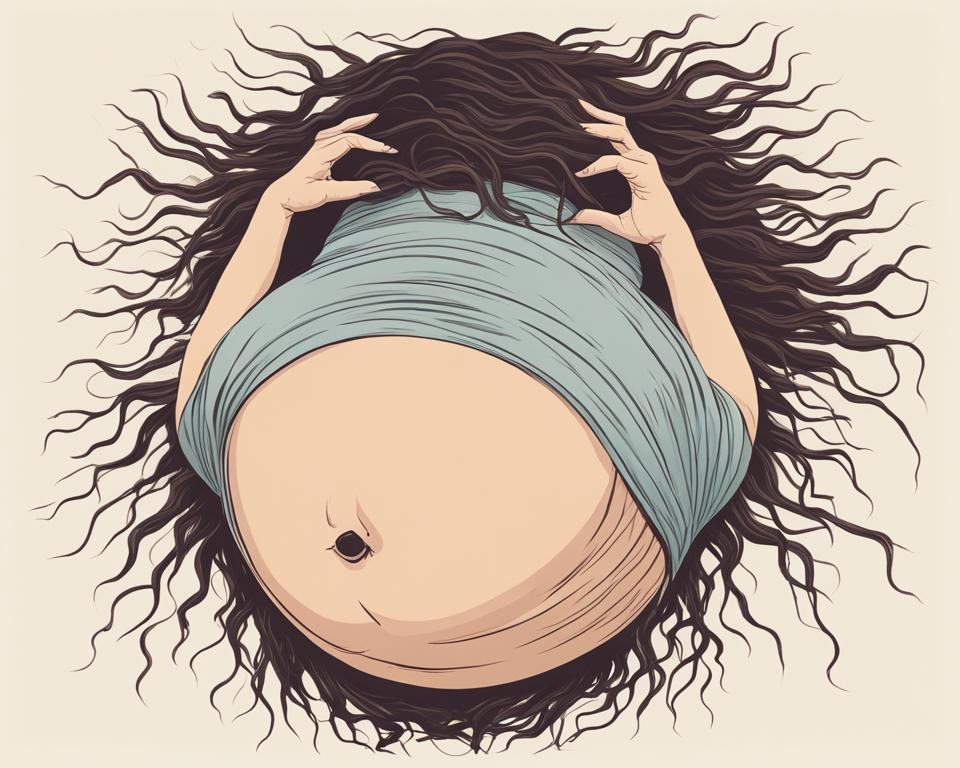
The image above illustrates the hormonal changes during pregnancy that can lead to excessive hair growth on the stomach and other areas of the body.
In the next section, we will explore whether the hair on the stomach disappears after pregnancy or if there are any concerns that should be addressed.
Will the Belly Hair Go Away After Pregnancy?
Belly hair that develops during pregnancy typically goes away on its own after childbirth. The American College of Obstetricians and Gynecologists estimates that this extra hair from pregnancy fades away within six months of delivery. During this time, it is also common to experience hair loss in other areas of the body. However, if the belly hair does not go away after childbirth or if it seems to be spreading or getting thicker, it is recommended to follow up with a healthcare provider. They may want to perform a blood test to rule out any underlying conditions that may be causing the excessive hair growth.
Dealing with Postpartum Hair Changes
After giving birth, many women experience postpartum hair loss. This is a normal part of the hair growth cycle and is often a result of hormonal changes. The hair that did not shed during pregnancy may start to fall out in the months following childbirth. To manage postpartum hair loss, it is important to maintain a healthy diet, practice good hair care habits, and consult with a healthcare provider if the hair loss is excessive or causing distress.
| Methods for Managing Belly Hair During Pregnancy | Benefits | Considerations |
|---|---|---|
| At-home hair removal methods (shaving, plucking, waxing) | – Convenient and cost-effective – Can be done in the comfort of your own home |
– Precautions to avoid infection – Sensitivity of the skin during pregnancy |
| Bleaching | – Camouflages the appearance of hair – Provides temporary results |
– May cause skin irritation or allergic reactions – Not suitable for all skin types |
| Electrolysis | – Permanent hair removal solution – Can target individual hair follicles |
– May require multiple sessions – Requires professional treatment |
| Laser hair removal | – Long-term reduction in hair growth – Precision targeting of hair follicles |
– Expensive – May not be suitable for all skin and hair types |
| Prescription hair removal creams | – Convenient and easy to use – Can slow down hair growth |
– Potential side effects – Requires consultation with healthcare provider |
Note: It is advisable to consult with a healthcare provider before opting for professional hair removal methods during pregnancy to ensure safety and suitability for individual circumstances.
Can Belly Hair Be Removed During Pregnancy?
While coping with body hair during pregnancy can be a challenge for some women, there are options for removing belly hair for cosmetic reasons. It is important to note that belly hair that develops during pregnancy will typically resolve on its own after childbirth. However, if you prefer to remove the hair during pregnancy, there are safe at-home methods that can be used.
At-Home Hair Removal Methods
At-home hair removal methods such as shaving, plucking, or waxing are generally considered safe for pregnant women. These methods are convenient and can be done in the comfort of your own home. When using these methods, it is important to take precautions to ensure cleanliness and prevent infection.
Tip: Use clean and sterile tools when removing belly hair to minimize the risk of infection.
It is essential to keep in mind that during pregnancy, the skin on the stomach may be more sensitive. Therefore, it is recommended to follow up with a moisturizing lotion to prevent irritation and maintain healthy skin.
Professional Hair Removal Methods
Professional hair removal methods such as bleaching, electrolysis, laser hair removal, and prescription hair removal creams have not been extensively researched for safety during pregnancy. Therefore, it is advisable to consult with a healthcare provider before opting for these methods. They can provide guidance based on your specific situation and medical history.
| At-Home Hair Removal Methods | Professional Hair Removal Methods | Precautions |
|---|---|---|
| Shaving | Bleaching | Consult with a healthcare provider |
| Plucking | Electrolysis | Use clean and sterile tools |
| Waxing | Laser hair removal | Follow up with moisturizing lotion |
| Prescription hair removal creams |
Remember, every individual’s pregnancy experience is unique, and it is essential to choose hair removal methods that align with your comfort level. Consulting with a healthcare provider can provide personalized advice and ensure the safety of any hair removal methods you choose during pregnancy.
When Should I Be Concerned About Belly Hair During Pregnancy?
In most cases, the development of belly hair during pregnancy is a normal occurrence due to hormonal changes in the body. However, there are certain warning signs that may indicate an underlying condition. If the hair on your belly does not go away after childbirth or if it appears to be spreading or getting thicker, it is recommended to consult with a healthcare provider. They may want to perform a blood test to rule out conditions that can cause excessive hair growth, such as Cushing syndrome, acromegaly, or the presence of a tumor near the ovaries or adrenal glands.
These conditions may require further medical intervention to manage the excessive hair growth effectively.
It’s important to remember that each person’s experience with body hair changes during pregnancy is unique, and it’s always best to seek professional medical advice for any concerns or abnormalities.
Let’s take a look at the table below to understand some common changes in body hair during pregnancy and possible remedies for excessive hair growth:
| Common Changes in Body Hair During Pregnancy | Remedies for Excessive Hair Growth During Pregnancy |
|---|---|
|
|
Remember, it’s important to prioritize your comfort and safety when managing excessive hair growth during pregnancy. Consult with your healthcare provider for personalized advice and recommendations.
Tips for Managing Hair Growth During Pregnancy
Experiencing hair growth on the belly during pregnancy is a common occurrence due to hormonal changes. While this may be a normal part of the pregnancy journey, it can be bothersome for some women. If you’re looking for ways to manage hair growth during pregnancy, here are some helpful tips:
- Practice gentle hair removal techniques: Shaving, plucking, or waxing are safe and effective methods for removing belly hair during pregnancy. Remember to use clean and sterile tools to avoid infections, and apply a moisturizing lotion afterward to soothe the skin.
- Try natural home remedies: Some natural remedies may help reduce hair growth. For example, applying a paste of turmeric and milk on the belly can help lighten the hair. However, always consult with your healthcare provider before trying any new remedy to ensure it’s safe for you and your baby.
- Opt for loose-fitting clothing: Wearing loose-fitting clothes can help reduce friction and irritation on the belly, making you more comfortable. Avoid tight clothing that can exacerbate any discomfort caused by hair growth.
- Stay hydrated: Drinking an adequate amount of water can promote healthy hair growth and overall well-being during pregnancy. Hydration is key for maintaining healthy skin, which may help manage hair growth.
- Consider professional treatments after pregnancy: If you’re still concerned about hair growth after childbirth, you can explore professional treatments like laser hair removal. However, it’s important to consult with a healthcare professional and ensure that it’s safe for you during this time.
Remember, every pregnancy is unique, and it’s crucial to listen to your body’s needs. If you have any concerns or questions about managing hair growth during pregnancy, don’t hesitate to reach out to your healthcare provider for guidance and support.
| Table: Pros and Cons of Hair Removal Methods during Pregnancy | |
|---|---|
| Hair Removal Method | Pros and Cons |
| Shaving | Pros: Safe, quick, and painless. Cons: Hair can grow back quickly, and there might be a risk of nicks or cuts if not careful. |
| Plucking | Pros: Precise, inexpensive, and doesn’t require chemicals. Cons: Can be time-consuming and may cause mild discomfort. |
| Waxing | Pros: Long-lasting results, removes hair from the root. Cons: Can be painful, may cause skin irritation or ingrown hairs. |
| Laser hair removal | Pros: Provides long-term hair reduction. Cons: Expensive, not recommended during pregnancy due to limited research on safety. |
| Bleaching | Pros: Camouflages hair, painless. Cons: Hair remains visible, doesn’t remove hair from the root. |
“During pregnancy, it’s important to take care of your physical and emotional well-being. Managing hair growth is just one aspect, and these tips can help make the process more manageable.”
Understanding Hyperandrogenism and Its Relationship to Belly Hair During Pregnancy
In rare cases, excessive hair growth during pregnancy may be a sign of hyperandrogenism, a condition characterized by the overproduction of male sex hormones called androgens. This condition can be caused by underlying conditions such as polycystic ovary syndrome or certain medications used to treat epilepsy.
Hyperandrogenism can lead to symptoms such as high blood pressure, acne, irregular periods, clitoral enlargement, a deeper voice, rapid weight gain, and increased muscle mass. If you experience these symptoms along with excessive hair growth, it is important to consult with a healthcare provider. They may recommend hormone level testing and prescribe appropriate treatment if necessary.
“Excessive hair growth during pregnancy can sometimes be a sign of hyperandrogenism, a condition that requires medical attention.”
If you are concerned about excessive hair growth during pregnancy, it is important to discuss your symptoms with a healthcare provider. They can help determine the underlying cause and provide appropriate treatment options.
Hyperandrogenism Symptoms
Hyperandrogenism can result in various symptoms that may go beyond excessive hair growth during pregnancy. Some of the common symptoms associated with this condition include:
- High blood pressure
- Acne
- Irregular periods
- Clitoral enlargement
- A deeper voice
- Rapid weight gain
- Increased muscle mass
If you experience any of these symptoms along with excessive hair growth during pregnancy, it is essential to seek medical advice as soon as possible to determine the underlying cause and appropriate treatment.
Treatment for Hyperandrogenism during Pregnancy
The treatment for hyperandrogenism during pregnancy will depend on the underlying cause and severity of symptoms. A healthcare provider may recommend the following treatment options:
- Hormone level testing to assess the hormonal imbalance
- Prescription medications to regulate hormone levels and manage symptoms
- Referral to a specialist, such as an endocrinologist, for further evaluation and treatment
It is important to work closely with your healthcare provider to determine the most appropriate treatment approach for your specific situation. They can provide guidance and support to ensure the best outcome for you and your baby.
| Hyperandrogenism | Causes | Symptoms | Treatment |
|---|---|---|---|
| Excessive hair growth during pregnancy | Underlying conditions (e.g., polycystic ovary syndrome) | High blood pressure, acne, irregular periods, clitoral enlargement, a deeper voice, rapid weight gain, and increased muscle mass | Hormone level testing, prescription medications, referral to a specialist |
| Certain medications used to treat epilepsy | – | – |
The Myths and Truths About Belly Hair During Pregnancy
There are several myths surrounding belly hair during pregnancy. One common myth is that a hairy belly predicts the gender of the baby. However, there is no scientific evidence to support this claim. Belly hair during pregnancy is simply a result of hormonal changes and does not have any significance in determining the baby’s gender. It is important to separate fact from fiction when it comes to these myths and focus on the hormonal changes and bodily adjustments that occur during pregnancy.
Natural Remedies for Managing Belly Hair During Pregnancy
In addition to conventional hair removal methods, there are some natural remedies that may help manage excessive hair growth during pregnancy. These remedies offer safe and gentle alternatives for pregnant individuals who prefer to avoid chemicals or invasive procedures. While they may not completely eliminate belly hair, they can help reduce its visibility and make you feel more comfortable in your skin.
- Turmeric paste: Turmeric has long been used for its anti-inflammatory and skin-lightening properties. Create a paste by combining turmeric powder with water or milk. Apply a thin layer over the belly and leave it on for 15-20 minutes before rinsing off. Repeat the process 2-3 times a week for best results.
- Papaya and turmeric mask: Papaya contains an enzyme called papain, which can help break down hair follicles. Mash a ripe papaya and mix it with a teaspoon of turmeric powder. Apply the mixture to your belly and leave it on for 20-30 minutes before rinsing off with warm water.
- Gram flour scrub: Make a paste by mixing gram flour (also known as chickpea flour) with water or rose water. Gently massage the paste onto your belly in circular motions for a few minutes and then rinse off with warm water. This scrub helps exfoliate the skin and remove dead hair follicles.
- Sugar and lemon scrub: Mix equal parts of sugar and lemon juice to create a scrub. Massage the scrub onto your belly in gentle circular motions for a few minutes and then rinse off. Lemon juice acts as a natural bleaching agent, while the sugar helps to exfoliate the skin.
It’s important to note that these natural remedies may not work for everyone, and results may vary. If you experience any skin irritation or discomfort, discontinue use and consult with your healthcare provider.
Understanding the Mixture of Experiences with Belly Hair During Pregnancy
The experience of being pregnant with a hairy belly can vary greatly from person to person. Some women may embrace the changes in their body and view it as a natural part of pregnancy, while others may find it bothersome.
It is important to remember that each individual’s experience is unique, and there is no right or wrong way to feel about the changes in their body. Pregnancy is a time of significant physical changes, and it is normal to have mixed emotions about these transformations.
“Embracing the changes in my body during pregnancy has helped me appreciate the incredible journey of becoming a mother. It’s a reminder of the power and strength within me.” – Sarah, mother of two
“I’ll be honest, having a hairy belly during pregnancy was a bit unsettling for me at first. But then I realized that it’s just a temporary phase, and it’s a small price to pay for the miracle of creating life.” – Emily, first-time mom
Seeking support from other pregnant individuals or healthcare providers can be invaluable in navigating these experiences. Connecting with others who have gone through similar situations can provide understanding and reassurance.
Quotes from Support Groups:
“Joining a pregnancy support group helped me realize that I wasn’t alone in my feelings about having a hairy belly. It gave me a safe space to share my thoughts and concerns with people who truly understood.”
– Megan, expectant mother
“My healthcare provider was incredibly empathetic and provided me with resources to manage my insecurities about my hairy belly. Knowing that I had someone to turn to for guidance and support made a world of difference.”
– Rachel, second-time mom
Remember, each person’s journey through pregnancy is unique, and what matters most is that you feel supported and comfortable in your own skin. Whether you choose to embrace your hairy belly or seek ways to manage it, trust your instincts and do what feels right for you.
Dealing with Postpartum Hair Changes
After the joyous arrival of your little one, you may start noticing some changes in your hair. Postpartum hair loss is a common occurrence among new mothers and is a result of hormonal changes in the body. During pregnancy, hormones cause your hair to remain in a resting phase, resulting in thicker, fuller locks. However, once you give birth, those hormones take a nosedive, causing the hair to enter a shedding phase.
This shedding typically starts around three to six months after childbirth and can last for several months. Don’t worry, this is just a temporary phase, and your hair will eventually return to its normal growth cycle. In the meantime, here are some remedies for managing postpartum hair loss:
- Eat a healthy diet: Nutrient-rich foods can promote hair growth and overall scalp health. Include plenty of fruits, vegetables, lean proteins, and omega-3 fatty acids in your meals.
- Practice good hair care habits: Be gentle with your hair to minimize breakage. Avoid excessive heat styling, tight hairstyles, and harsh chemical treatments.
- Consider supplements: Talk to your healthcare provider about whether taking hair growth supplements, such as biotin or prenatal vitamins, may be beneficial for you.
- Consult with a healthcare provider: If you’re experiencing excessive hair loss or if the hair loss is causing distress, it’s important to reach out to your healthcare provider. They can evaluate your situation and provide guidance or recommend further treatment options if necessary.
Remember to be patient with your hair as it goes through this phase. It’s a normal part of the postpartum journey, and with time and proper care, your hair will regain its lusciousness.
| Tips for Managing Postpartum Hair Loss | Benefits |
|---|---|
| Eat a nutrient-rich diet | Promotes hair growth and overall scalp health |
| Practice gentle hair care habits | Minimizes breakage and prevents further damage |
| Consider taking supplements | Provides essential nutrients for hair growth |
| Consult with a healthcare provider | Professional guidance and potential treatment options |
Stay positive and embrace this phase of motherhood. Remember, your beautiful hair will soon be back to its pre-pregnancy glory!
Conclusion
Experiencing a hairy belly during pregnancy is a common occurrence due to hormonal changes. While it may be a cosmetic annoyance for some women, it is important to remember that it is usually temporary and will resolve on its own after childbirth. However, if the hair growth persists or is accompanied by other concerning symptoms, it is advisable to seek medical attention to rule out any underlying conditions.
There are various methods for managing hair growth during pregnancy. At-home hair removal techniques such as shaving, plucking, or waxing can be considered safe options. It is essential to be cautious and use clean tools to prevent infection. Additionally, natural remedies like turmeric paste and spearmint tea may help regulate hormonal imbalances and minimize excessive hair growth.
When choosing remedies for excessive hair growth during pregnancy, it is crucial to consult with a healthcare provider for guidance. They can provide personalized advice based on individual preferences and ensure the selected methods are safe for both the mother and the developing baby. Remember, embracing the changes in your body and seeking support from healthcare professionals can help make this temporary phase more manageable.
FAQ
What causes hair growth on the stomach during pregnancy?
Hair growth on the stomach during pregnancy is primarily caused by hormonal changes. The increase in estrogen during pregnancy stimulates the growth of hair on areas of the body, including the stomach, where hair is not usually present.
Will the belly hair go away after pregnancy?
Yes, belly hair that develops during pregnancy typically goes away on its own after childbirth. The extra hair from pregnancy tends to fade away within six months of delivery.
Can belly hair be removed during pregnancy?
Yes, at-home hair removal methods such as shaving, plucking, or waxing are generally considered safe for pregnant women. However, it is important to be cautious and use clean and sterile tools when removing hair to prevent infection.
When should I be concerned about belly hair during pregnancy?
If the belly hair does not go away after childbirth or if it seems to be spreading or getting thicker, it is recommended to consult with a healthcare provider. They may want to perform a blood test to rule out any underlying conditions that may be causing the excessive hair growth.
What are some tips for managing hair growth during pregnancy?
Some tips for managing hair growth during pregnancy include at-home hair removal methods, such as shaving or waxing, using clean and sterile tools, and following up with moisturizing lotion to prevent irritation. It is recommended to consult with a healthcare provider before opting for professional hair removal methods.
What is hyperandrogenism and its relationship to belly hair during pregnancy?
Hyperandrogenism is a condition characterized by the overproduction of male sex hormones called androgens. In rare cases, excessive hair growth during pregnancy may be a sign of hyperandrogenism. It is important to consult with a healthcare provider if excessive hair growth is accompanied by other concerning symptoms.
What are the myths and truths about belly hair during pregnancy?
One common myth is that a hairy belly predicts the gender of the baby. However, there is no scientific evidence to support this claim. Belly hair during pregnancy is simply a result of hormonal changes and does not have any significance in determining the baby’s gender.
What are some natural remedies for managing belly hair during pregnancy?
Some natural remedies for managing belly hair during pregnancy include applying turmeric paste, using a mixture of lemon juice and honey, or using a paste of gram flour and yogurt. However, it is important to note that these remedies may not work for everyone and it is advisable to consult with a healthcare provider before trying them.
What is the mixture of experiences with belly hair during pregnancy?
The experience of having a hairy belly during pregnancy can vary among individuals. Some women may embrace the changes in their body and view it as a natural part of pregnancy, while others may find it bothersome. Seeking support from other pregnant individuals or healthcare providers can be helpful in navigating these experiences and finding coping mechanisms that work best for each individual.
How to deal with postpartum hair changes?
After giving birth, many women experience postpartum hair loss. This is a normal part of the hair growth cycle and is often a result of hormonal changes. To manage postpartum hair loss, it is important to maintain a healthy diet, practice good hair care habits, and consult with a healthcare provider if the hair loss is excessive or causing distress.
What are some remedies for excessive hair growth during pregnancy?
In addition to conventional hair removal methods, there are some natural remedies that may help manage excessive hair growth during pregnancy. These include applying turmeric paste, using a mixture of lemon juice and honey, or using a paste of gram flour and yogurt. However, it is important to note that these remedies may not work for everyone and it is advisable to consult with a healthcare provider before trying them.