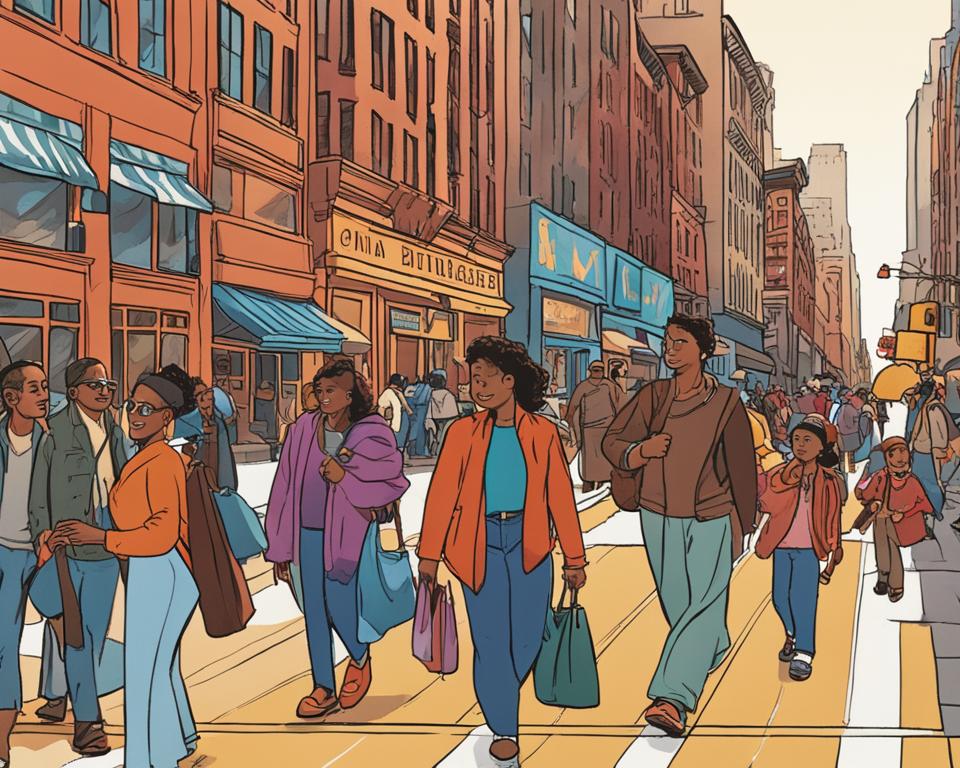
When it comes to exploring New York City, there’s no better way to navigate its bustling streets than on foot. Known for its walkability, the city offers a pedestrian-friendly experience like no other. From vibrant neighborhoods to iconic landmarks, there are endless opportunities to discover on foot in the Big Apple.
Whether you’re strolling through Central Park, wandering the streets of Manhattan, or crossing the Brooklyn Bridge, walking in New York City allows you to immerse yourself in its energy and vibrant atmosphere. But just how walkable is the city? Let’s dive into the details and explore the pedestrian-friendly areas that make NYC a haven for walkers.
Key Takeaways:
- New York City is known for its walkability and pedestrian-friendly areas.
- Exploring the city on foot allows you to experience its vibrant neighborhoods and iconic landmarks.
- Walking in NYC offers a unique and enriching way to immerse yourself in its energy and atmosphere.
- From Central Park to the Brooklyn Bridge, there are numerous attractions accessible on foot.
- Embracing the walkability of NYC promotes an active lifestyle and lets you reap the health benefits of walking.
What is Walkability and Why Does It Matter?
Walkability refers to the extent to which a neighborhood’s design supports walking. It encompasses various factors that contribute to creating a pedestrian-friendly environment. A highly walkable neighborhood is characterized by high intersection density, residential density, and a mix of land uses including residential, commercial, recreational, and institutional areas. Access to public transit also plays a crucial role in enhancing walkability.
Living in a walkable neighborhood offers numerous benefits, both for individuals and the community as a whole. Here are some key reasons why walkability matters:
- Promoting Physical Activity: Walkable neighborhoods encourage people to incorporate walking as a regular form of physical activity into their daily routines. With accessible sidewalks, pedestrian-friendly streets, and a range of destinations within walking distance, people are more likely to choose walking over driving. This increase in physical activity can have significant health benefits, including reduced risk of chronic diseases and improved overall well-being.
- Reducing Car Dependency: Walkable neighborhoods provide alternatives to car travel, reducing reliance on private vehicles. This has multiple advantages, such as lower traffic congestion, reduced air pollution, and a smaller carbon footprint. Additionally, it can lead to savings in transportation costs and increased affordability for residents.
- Creating Vibrant Communities: Walkable neighborhoods often foster a stronger sense of community and social interaction. By encouraging people to walk and interact with their surroundings, these neighborhoods promote a greater sense of belonging and connectedness among residents. Pedestrian-oriented streetscapes enhance the overall livability of the community by providing spaces for social gatherings, street markets, and cultural events.
- Boosting Local Economies: Walkable neighborhoods support local businesses by providing a steady flow of pedestrian traffic. When people can easily walk to shops, restaurants, and services, it increases the chances of discovering and supporting local businesses. This can contribute to the economic vitality of the community and help create diverse and thriving commercial districts.
Overall, walkability plays a crucial role in creating healthier, sustainable, and vibrant communities. It promotes physical activity, reduces car dependency, fosters social interaction, and supports local economies. By prioritizing walkability in urban design and community planning, cities can create environments that enhance the quality of life for residents and contribute to a more sustainable future.
Walkability in New York City Boroughs
When it comes to walkability, New York City is renowned for its pedestrian-friendly streets and bustling neighborhoods. However, the level of walkability varies across the city’s five boroughs, offering residents and visitors unique experiences as they explore on foot.
Manhattan, the heart of the city, consistently ranks highest in terms of walkability. Census blocks in this borough boast the highest average walkability scores, with zip code 10280 near Battery Park leading the way. The vibrant streets and easy access to amenities make it a haven for pedestrians.
“Manhattan’s walkability and diverse urban landscape create an environment that encourages residents and visitors alike to discover the city’s hidden gems on foot,” says Julia, a local resident.
On the other end of the spectrum, Staten Island has the lowest walkability scores in the city. Census blocks in zip code 10302 near the Bayonne Bridge have been identified as the least walkable. Though the suburban feel of Staten Island offers its own unique charm, it may require more reliance on cars or public transportation.
Promoting Walkability in the Boroughs
New York City recognizes the importance of enhancing walkability across all its boroughs. Efforts are underway to improve pedestrian infrastructure and create safer, more inviting streets for walkers. Neighborhoods throughout the city are undergoing revitalization, with the goal of creating vibrant, mixed-use communities that prioritize pedestrians.
WalkNYC, an initiative by the New York City Department of Transportation, provides valuable information on navigating the city on foot. The comprehensive wayfinding system offers pedestrian maps and signage, making it easier for people to navigate and explore different neighborhoods.
As New York City continues to evolve, the walkability of its boroughs remains a key consideration in urban planning and development. The goal is to create a seamless and enjoyable walking experience for residents and visitors alike, ensuring that New York City maintains its reputation as a walkable metropolis.
The Relationship Between Walkability and Physical Activity
Living in a walkable neighborhood can have a significant impact on physical activity levels. A study conducted in urban areas found that residents who lived in highly walkable neighborhoods were more likely to engage in physical activity compared to those living in low walkability neighborhoods. In fact, individuals living in very high walkability neighborhoods participated in an average of 100 more minutes of physical activity per week than those in low walkability neighborhoods.
This correlation between walkability and physical activity is crucial in addressing the rising issue of obesity. With obesity rates on the rise, promoting physical activity through walkable neighborhoods can play a vital role in combating this health concern. By creating environments that encourage walking, communities can help individuals burn more calories and maintain a healthier weight.
“The results of our study clearly demonstrate the positive relationship between walkability and physical activity. Higher walkability scores lead to more active individuals, which can have long-term benefits for public health.”
– Dr. Jane Miller, Lead Researcher
Not only does walkability influence physical activity levels, but it also contributes to overall well-being. Regular physical activity has numerous health benefits, including improved cardiovascular health, increased muscle strength, and reduced stress levels. By integrating walkability into urban planning and infrastructure, cities can promote active lifestyles and create healthier and happier communities.
Impact of Walkability on Physical Activity Levels
The following table highlights the difference in physical activity levels between different walkability neighborhoods:
| Walkability Level | Weekly Physical Activity (Minutes) |
|---|---|
| Low Walkability Neighborhoods | 200 minutes |
| High Walkability Neighborhoods | 300 minutes |
| Very High Walkability Neighborhoods | 400 minutes |
As seen in the table, individuals living in high walkability neighborhoods engage in an additional 100 minutes of physical activity per week compared to those in low walkability neighborhoods.
In conclusion, walkability plays a crucial role in promoting physical activity and combating obesity. By creating pedestrian-friendly neighborhoods, cities can encourage individuals to incorporate walking into their daily routines and lead healthier lives.
New York City’s Rank in Walkability
When it comes to walkability, New York City is consistently ranked as one of the most pedestrian-friendly cities in the United States. In fact, according to a ranking by USA Today, NYC holds the impressive seventh position in the list of most walkable cities in the country.
What sets New York City apart in terms of walkability is its extensive public transportation system and its well-designed pedestrian-friendly streets. These factors contribute to the city’s high walkability score, making it a top choice for both locals and visitors who prefer to explore the vibrant streets of NYC on foot.
Whether you’re strolling through Central Park, navigating the bustling streets of Times Square, or admiring the views from the iconic Brooklyn Bridge, walking in New York City is a memorable and enriching experience. The city’s walkability opens up countless opportunities to discover hidden gems, immerse yourself in the local culture, and truly embrace the energy and diversity that New York has to offer.
So if you’re looking for a city that encourages foot traffic and offers endless possibilities for exploration, New York City should be at the top of your list. Its impressive walkability ranking and pedestrian-friendly infrastructure make it an ideal destination for those seeking a truly immersive urban experience.
Other Walkable Cities in the US
New York City is not the only walkable city in the United States. There are several other cities that offer great walkability and pedestrian-friendly streets. Here are some walkable cities that are similar to NYC:
- Philadelphia
- Boston
- Washington, D.C.
- Seattle
- Portland
- San Francisco
- Chicago
- Los Angeles
- Pittsburgh
These cities provide ample opportunities for residents and visitors to explore on foot, enjoy local culture, and save money on transportation. Just like in New York City, you can navigate these cities by foot and discover their unique character and charm.
Comparison of Walkability Scores in New York City and Similar Cities
| City | Walkability Score |
|---|---|
| New York City | 90 |
| Philadelphia | 87 |
| Boston | 82 |
| Washington, D.C. | 77 |
| Seattle | 73 |
| Portland | 72 |
| San Francisco | 71 |
| Chicago | 70 |
| Los Angeles | 67 |
| Pittsburgh | 66 |
Exploring a city on foot is not only a great way to get exercise, but it also allows you to experience the local culture and discover hidden gems. Whether you’re strolling through the streets of Philadelphia or wandering along the waterfront in San Francisco, walking in these walkable cities provides a unique and immersive experience. So, put on your walking shoes and explore the pedestrian-friendly streets of these vibrant cities!
The Importance of Walkable Urban Housing
Walkable urban housing plays a significant role in creating vibrant and sustainable communities. Living in a walkable neighborhood offers numerous benefits, including easy access to amenities, reduced dependence on cars, and an improved quality of life.
Residents of walkable neighborhoods have the convenience of being able to walk to grocery stores, restaurants, and shops, eliminating the need for lengthy car trips. This not only saves time but also reduces traffic congestion and air pollution, contributing to a greener and more livable environment.
Moreover, walkable urban housing promotes a sense of community and social interaction. With pedestrians using the same sidewalks and public spaces, it becomes easier to connect with neighbors, fostering a strong sense of belonging and support within the neighborhood.
“Living in a walkable neighborhood allows residents to have a more active lifestyle, as they can easily incorporate walking into their daily routines.”
Boston: A Leader in Walkable Urban Housing
Boston stands out as a leader in walkable urban housing. The city boasts a large percentage of pre-World War II homes that were built in a walkable urban style. These charming neighborhoods, with their tree-lined streets, mixed-use developments, and close proximity to public transportation, provide residents with a true live-work-play lifestyle.
The walkability of Boston’s neighborhoods has been a driving force in attracting both young professionals and families. It offers the convenience of easy commutes and access to a wide range of amenities, including parks, schools, and cultural institutions.
The Growing Demand for Mixed-Use Housing
The demand for mixed-use housing near transit continues to grow. Mixed-use developments combine residential, commercial, and retail spaces in one area, creating vibrant and dynamic communities.
These developments are not only walkable but also tackle issues of affordability and accessibility. By integrating different income levels and providing a variety of housing options, mixed-use developments promote diversity and inclusivity within the community.
The rising demand for mixed-use housing reflects a shift in preferences, with more people yearning for the convenience and benefits of walkable urban living. To meet this growing demand, policy reform is necessary to encourage developers to invest in mixed-use projects and create more walkable urban housing options.
Walkable urban housing plays a crucial role in shaping the future of our communities. By prioritizing walkability and sustainability, cities can create healthier and more connected neighborhoods that enhance the well-being of residents and contribute to a more sustainable future.
New York City’s Walkability and Real Estate
New York City offers a plethora of walkable real estate options, making it a desirable location for both residents and businesses. With 73% of office spaces considered walkable, businesses and their employees benefit from easy access to amenities and transportation.
In addition, 70% of multifamily rental inventory in New York City is located in walkable areas, providing residents with the convenience of nearby shops, restaurants, and entertainment options. The concentration of walkable housing and office spaces contributes to the city’s high walkability ranking, creating a vibrant and accessible environment.
Walkable real estate in NYC is in high demand due to the numerous benefits it offers. Residents enjoy the convenience of being able to run errands, commute, and explore the city on foot. Meanwhile, businesses thrive in walkable neighborhoods, attracting employees who value the accessibility and vibrancy of their surroundings.
Investing in walkable real estate in NYC is a smart choice for those seeking an urban lifestyle that promotes a healthier and more active way of living. Whether it’s a walkable office space or a walkable apartment, the benefits of accessibility and convenience make it an ideal choice for both professionals and residents.
The Future of Walkability
The future of walkability hinges on the continued development of urban spaces that prioritize pedestrian-friendly streets and promote the creation of mixed-use, mixed-income communities. As the demand for walkable environments far exceeds the current supply, it is crucial to implement policy reforms and invest in the creation of more walkable urban areas.
By embracing walkability, cities can significantly improve the quality of life for their residents. Pedestrian-friendly streets and walkable communities offer numerous benefits, from fostering healthier and more active lifestyles to reducing congestion and the dependency on cars. Walkable urban development also contributes to the creation of vibrant and sustainable communities.
Policy reform is essential in achieving these goals. By implementing regulations that prioritize walkable infrastructure and mixed-use zoning, cities can create an environment conducive to active and sustainable living. Additionally, investments in walkability can lead to economic growth and increased property values, making it a win-win situation for both residents and businesses.
Benefits of Walkable Urban Development and Policy Reform:
- Promotes physical activity and improves public health
- Reduces congestion and dependence on cars
- Enhances the overall quality of life for residents
- Creates vibrant and sustainable communities
- Fosters economic growth and increases property values
“Investing in walkable urban development is an investment in the future of our cities. By prioritizing pedestrian-friendly streets and mixed-use communities, we can create healthier, more vibrant, and sustainable urban environments.” – Jane Jacobs
In order to meet the growing demand for walkable communities, policymakers and urban planners need to work together to implement smart regulations and design strategies that prioritize walkability. By doing so, cities can create a more connected, active, and inclusive future for their residents.
| Walkable Urban Development | Policy Reform |
|---|---|
| Pedestrian-friendly streets and infrastructure | Regulations prioritizing walkability in urban planning |
| Mixed-use, mixed-income communities | Mixed-use zoning and incentives for affordable housing |
| Accessible public spaces and green areas | Investments in parks and recreational facilities |
| Promotion of active transportation | Infrastructure for cycling and walking |
It is essential for cities to recognize the importance of walkable urban development and actively pursue policy reforms that support the creation of walkable communities. By embracing the future of walkability, cities can create healthier, more sustainable, and livable environments for generations to come.
Exploring NYC on Foot – Tips and Recommendations
Exploring New York City on foot can be an enjoyable and rewarding experience. Some of the city’s top attractions, such as Central Park, Times Square, the High Line, and the Brooklyn Bridge, are easily accessible on foot. To make the most of your walking experience in NYC, here are some tips for walking in NYC:
- Wear comfortable shoes: NYC streets are made for walking, so make sure to wear comfortable shoes that can withstand the miles.
- Stay alert: New York City is always bustling, so stay aware of your surroundings, especially when crossing streets.
- Use pedestrian-friendly streets and crosswalks: Stick to designated crosswalks and pedestrian-friendly streets to ensure your safety.
- Take breaks to rest and refuel: With so much to see and do, don’t forget to take breaks, grab a coffee, or enjoy a quick bite to eat.
Walking in NYC allows you to soak in the energy and atmosphere of the city while discovering hidden gems along the way. Now that you have some handy tips, lace up your shoes and start your walking adventure in the city that never sleeps!
“Walking in New York is the best way to see the city.” – Anthony Bourdain
The Health Benefits of Walking in NYC
Walking in New York City offers numerous health benefits. It is a great form of exercise that helps improve cardiovascular health, strengthen muscles, and maintain a healthy weight. Regular walking can lower the risk of heart disease, stroke, and diabetes. By incorporating walking into your daily routine, whether it’s for commuting, running errands, or leisurely strolls, you can enjoy an active lifestyle and reap the health benefits of regular physical activity.
Walking is also an excellent way to reduce stress and boost mood. In the bustling streets of NYC, walking allows you to slow down, clear your mind, and enjoy the vibrant atmosphere. Exploring the city’s diverse neighborhoods on foot exposes you to different cultures, sights, and sounds, creating a sense of excitement and adventure.
If you’re new to walking or want to challenge yourself, you can explore some of New York City’s iconic routes. Take a leisurely stroll through Central Park, enjoy the views from the Brooklyn Bridge, or walk along the scenic High Line. These routes not only provide a great workout but also showcase the beauty of the city.
The Health Benefits of Walking in NYC
- Improved cardiovascular health: Walking strengthens your heart and improves blood circulation, reducing the risk of cardiovascular diseases.
- Stronger muscles and bones: Walking helps build and maintain healthy muscles and bones, reducing the risk of osteoporosis and arthritis.
- Maintaining a healthy weight: Walking is an effective way to burn calories and maintain a healthy weight, especially when combined with a balanced diet.
- Reduced stress and improved mood: Walking releases endorphins, natural mood-boosting chemicals, helping reduce stress levels and improve mental well-being.
- Lower risk of chronic diseases: Regular walking can decrease the risk of chronic diseases such as type 2 diabetes, certain cancers, and obesity.
Comparison of Walking and Other Forms of Exercise
| Benefits | Walking | Running | Cycling |
|---|---|---|---|
| Cardiovascular health | ✓ | ✓ | ✓ |
| Muscle strength | ✓ | ✓ | ✓ |
| Low impact on joints | ✓ | ✗ | ✓ |
| Weight management | ✓ | ✓ | ✓ |
| Accessibility | ✓ | ✗ | ✓ |
Walking in New York City is an accessible and enjoyable way to incorporate physical activity into your daily routine. Whether you’re exploring the city’s vibrant neighborhoods or simply walking to work, you can easily embrace an active lifestyle and experience the health benefits that come with it. So put on your walking shoes, grab a map, and start discovering all that NYC has to offer on foot.
Conclusion
New York City offers a unique and enriching walkability experience that sets it apart as one of the most pedestrian-friendly cities in the United States. With its extensive public transportation system, diverse neighborhoods, and pedestrian-friendly streets, the city provides endless opportunities for residents and visitors to explore on foot. Whether you’re a local looking to experience your city in a new way or a visitor eager to immerse yourself in the vibrant atmosphere, embracing the walkability of NYC is the key to unlocking the true essence of the city.
With a high walkability index and varied walkability scores across the boroughs, New York City highlights the importance of creating and maintaining walkable urban environments. As studies have shown, walkability is not only about convenience but also about promoting physical activity and a healthier lifestyle. By embracing walkability, both residents and visitors can incorporate more physical activity into their daily lives, contributing to improved cardiovascular health, strengthened muscles, and a healthy weight.
As you navigate the walkable streets of NYC, you’ll have the opportunity to discover iconic landmarks like Central Park, Times Square, the High Line, and the Brooklyn Bridge. The city’s vibrant neighborhoods and diverse cultures are best experienced on foot, allowing you to truly immerse yourself in the energy and atmosphere of the city. So, lace up your comfortable shoes, step out onto the streets, and let the walkability of New York City guide you on a memorable journey of exploration and discovery.
FAQ
How walkable is New York City?
New York City is known for its walkability and is considered one of the most pedestrian-friendly cities in the United States. The city has a high walkability index, which takes into account factors such as residential density, intersection density, land use mix, subway stop density, and access to public transit.
What is walkability and why does it matter?
Walkability refers to the extent to which a neighborhood’s design supports walking. It includes factors such as density, mix of land uses, and access to public transit. Walkable neighborhoods have high intersection density, residential density, and a mix of residential, commercial, recreational, and institutional land uses. The walkability of a neighborhood plays a significant role in promoting physical activity and reducing car dependency.
How does walkability vary across the New York City boroughs?
Walkability varies across the five boroughs of New York City. While the city as a whole scores high on walkability, there are variations at the neighborhood level. Census blocks in Manhattan have the highest average walkability score, while Census blocks in Staten Island have the lowest walkability score.
What is the relationship between walkability and physical activity?
Higher neighborhood walkability is associated with greater physical activity levels. Participants who lived in highly walkable neighborhoods were more likely to be physically active compared to those living in low walkability neighborhoods. In fact, residents in very high walkability neighborhoods engaged in an average of 100 more minutes of physical activity per week compared to those in low walkability neighborhoods.
How does New York City rank in terms of walkability?
According to various rankings and studies, New York City consistently ranks as one of the most walkable cities in the United States. In a ranking by USA Today, NYC was listed as the seventh most walkable city in the country.
Are there other walkable cities in the US?
Yes, there are several other cities that offer great walkability and pedestrian-friendly streets. Philadelphia, Boston, Washington, D.C., Seattle, Portland, San Francisco, Chicago, Los Angeles, and Pittsburgh are among the cities that made the list of most walkable cities in the US.
Why is walkable urban housing important?
Walkable urban housing plays a significant role in creating vibrant and sustainable communities. Being able to live in a walkable neighborhood offers numerous benefits, including easy access to amenities, reduced dependence on cars, and improved quality of life.
How does walkability impact real estate in New York City?
In New York City, 73% of office space is considered walkable, providing businesses and employees with convenient access to amenities and transportation. Additionally, 70% of multifamily rental inventory in New York City is located in walkable areas. The concentration of walkable housing and office spaces contributes to the city’s high walkability ranking.
What does the future of walkability look like?
The future of walkability lies in continued urban development that prioritizes pedestrian-friendly streets and mixed-use, mixed-income housing. The demand for walkable communities far exceeds the current supply, highlighting the need for policy reform and investments in creating more walkable urban environments.
How can I explore New York City on foot?
Exploring New York City on foot can be an enjoyable and rewarding experience. Some of the city’s top attractions, such as Central Park, Times Square, the High Line, and the Brooklyn Bridge, are easily accessible on foot. To make the most of your walking experience in NYC, wear comfortable shoes, stay alert and aware of your surroundings, use pedestrian-friendly streets and crosswalks, and take breaks to rest and refuel.
What are the health benefits of walking in NYC?
Walking in New York City offers numerous health benefits. It is a great form of exercise that helps improve cardiovascular health, strengthen muscles, and maintain a healthy weight. Walking is also an excellent way to reduce stress and boost mood, as it allows you to explore the city’s diverse neighborhoods and experience the vibrant street life.