Pregnancy is a beautiful journey filled with anticipation and joy. However, along with the many changes that occur in the body during this time, some discomforts, such as swollen ankles, are common. Swollen ankles, also known as edema, can be uncomfortable, but they are usually not a cause for concern.
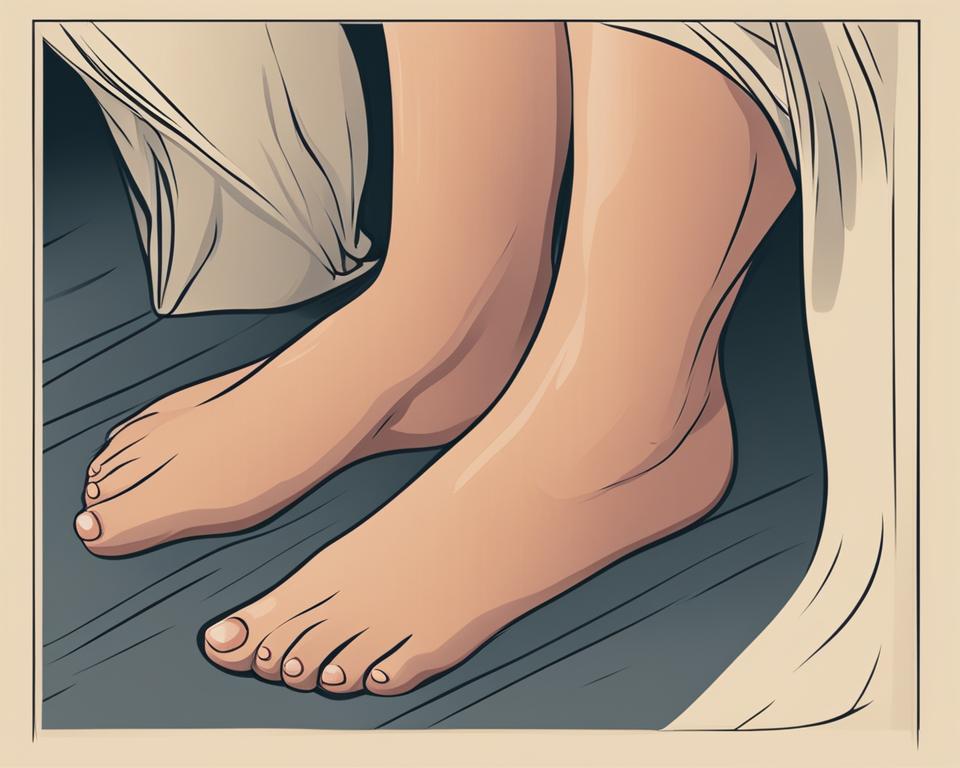
During pregnancy, the body retains more water than usual, leading to fluid buildup in various parts of the body, including the legs, ankles, feet, and fingers. This swelling tends to be worse at the end of the day and as the pregnancy progresses. While gradual swelling is normal, it’s essential to differentiate between normal swelling and potentially serious conditions such as pre-eclampsia.
If you experience sudden, severe swelling, particularly in the face, hands, or feet, along with symptoms like a severe headache, visual disturbances, severe pain in the upper abdomen, or vomiting, it is crucial to seek immediate medical attention.
Key Takeaways:
- Swollen ankles, known as edema, are a common occurrence during pregnancy.
- Fluid retention and hormonal changes contribute to swelling in the ankles, feet, and other parts of the body.
- Normal swelling in pregnancy tends to be worse at the end of the day and as the pregnancy progresses.
- Sudden, severe swelling accompanied by other symptoms may indicate a serious condition and requires medical evaluation.
- Regular communication with healthcare providers and attending prenatal check-ups is crucial for monitoring and managing swelling during pregnancy.
Normal Pregnancy Swelling and Fluid Retention
Pregnancy brings about many changes in a woman’s body, including the normal occurrence of swelling and fluid retention. This swelling, known as edema, is a common symptom in pregnancy, particularly in the legs, ankles, and feet. Understanding why this swelling occurs can help expectant mothers manage and alleviate discomfort.
Swelling in pregnancy is primarily caused by the body’s natural response to hormonal changes and fluid retention. During pregnancy, the body retains more water than usual, leading to an increase in blood volume. As a result, this extra fluid tends to accumulate in the lowest parts of the body, such as the legs and feet.
Additionally, the growing uterus exerts pressure on the veins in the pelvic region. This pressure can impede blood flow and lead to fluid buildup in the legs, ankles, and feet. Factors such as extreme temperatures and prolonged periods of standing can exacerbate this fluid retention, causing increased swelling.
It’s important to note that while swelling in pregnancy is generally considered normal, sudden or severe swelling, especially in the face, hands, or feet, should not be ignored. This could potentially be a sign of a more serious condition called pre-eclampsia, which requires immediate medical attention. Pregnant women should consult their healthcare provider if they experience excessive swelling that is accompanied by other symptoms such as severe headaches, visual disturbances, or upper abdominal pain.
Common Areas of Swelling During Pregnancy:
- Legs
- Ankles
- Feet
- Hands
- Fingers
Understanding the causes of normal swelling in pregnancy can provide reassurance to expectant mothers. However, if there are concerns or questions about the swelling’s severity, it’s always best to consult with a healthcare provider. Taking proactive steps to manage and reduce swelling can help ensure a more comfortable and enjoyable pregnancy journey.
Reducing Swelling in Pregnancy
During pregnancy, many women experience swelling in their ankles and feet due to fluid retention. Fortunately, there are various remedies that can help reduce swelling and alleviate discomfort. By following these simple measures, pregnant women can find relief and maintain their overall well-being.
- Avoid standing for long periods: Prolonged standing can exacerbate swelling. It is recommended to take frequent breaks and elevate the feet whenever possible.
- Wear comfortable shoes and socks: Opt for supportive footwear and loose-fitting socks that allow proper circulation.
- Elevate the feet: Whenever sitting or lying down, elevate the feet above the heart level to promote better blood flow and reduce swelling.
- Stay hydrated: Drinking an adequate amount of water can help flush out excess fluids and reduce swelling.
- Engage in regular exercise: Gentle activities like walking and foot exercises can improve blood circulation and reduce fluid retention.
Implementing these strategies can make a significant difference in reducing swelling and enhancing comfort during pregnancy. It is always advisable to consult with a healthcare provider for personalized guidance and additional remedies to address specific concerns.
Factors Contributing to Ankle Swelling in Pregnancy
During pregnancy, several factors can contribute to ankle swelling, also known as edema. The combination of increased fluid retention, pressure from the growing uterus on the veins, and hormonal changes can hinder the normal return of blood to the heart. As a result, pregnant women often experience swelling in their ankles and feet. While this is a common occurrence in pregnancy, it typically resolves after delivery.
Fluid retention is a natural response to hormonal changes during pregnancy. The body retains more water, leading to swelling throughout the body, particularly in the lower extremities. Additionally, as the uterus expands, it exerts pressure on the veins that carry blood from the legs back to the heart. This pressure can impede blood flow and cause fluid buildup in the ankles and feet.
Impact of Hormonal Changes on Ankle Swelling
Hormonal changes during pregnancy also play a role in ankle swelling. The increase in hormones, such as progesterone and relaxin, can affect blood circulation and cause blood vessels to relax. As a result, there is reduced efficiency in the return of blood to the heart, leading to fluid accumulation in the ankles and feet.
It is important for pregnant women to be aware of these contributing factors to ankle swelling and understand that it is a normal part of pregnancy. However, it is essential to differentiate between normal swelling and sudden or severe swelling, as the latter can be a sign of a more serious condition that requires medical attention.
Tips for Managing Swollen Ankles and Feet During Pregnancy
Pregnancy can often lead to swelling in the ankles and feet due to fluid retention. While this swelling can be uncomfortable, there are several tips and techniques that pregnant women can try to manage and alleviate this condition.
1. Stay off your feet as much as possible:
Reducing the amount of time spent standing or walking can help minimize swelling. Take regular breaks and elevate your feet whenever possible to relieve pressure on the ankles and feet.
2. Sit with your feet elevated:
Raising your feet above heart level can promote proper circulation and reduce swelling. Use pillows or a footrest to comfortably elevate your feet while sitting or lying down.
3. Wear compression stockings:
Compression stockings can provide gentle pressure to help prevent excess fluid buildup. These stockings are specifically designed to support the feet and legs, improving blood circulation and reducing swelling.
4. Engage in physical activity:
Regular exercise, such as walking or swimming, can help improve blood circulation and reduce swelling. Consult with your healthcare provider to determine the appropriate level of activity for your pregnancy.
5. Stand or walk in a pool:
Water therapy can be highly effective in reducing swelling and relieving discomfort. Standing or walking in a pool can provide gentle resistance and promote circulation, while also providing relief from the pressure on the feet and ankles.
6. Wear loose clothing:
Wearing loose-fitting clothing can help improve blood flow and prevent constriction around the ankles and feet. Opt for breathable fabrics that allow for proper air circulation.
7. Get regular foot massages or reflexology treatments:
Massaging the feet and applying gentle pressure to specific reflex points can help stimulate blood flow and reduce swelling. Consider seeking professional foot massages or reflexology treatments for additional relief.
By incorporating these tips and strategies into your daily routine, you can effectively manage and alleviate swollen ankles and feet during pregnancy, promoting greater comfort and overall well-being.
Structural Changes in the Feet During Pregnancy
Pregnancy can cause significant structural changes in a woman’s feet. These changes are influenced by weight gain and hormonal fluctuations that occur during pregnancy. It is common for women to experience widened, flattened, and elongated feet during this time.
The changes in foot structure may not immediately revert to their pre-pregnancy state after delivery. In fact, studies suggest that these changes can persist, resulting in a permanent decrease in arch height and an increase in foot length, especially after a woman’s first pregnancy.
While more research is needed to fully understand the mechanisms behind these structural changes, it is clear that the combination of weight gain and hormonal factors play a role in altering the foot’s anatomy during pregnancy.
To alleviate discomfort associated with these structural changes, it is important for pregnant women to take steps to reduce swelling, as it can exacerbate the discomfort caused by the altered foot structure. Wearing supportive shoes that provide proper arch support and cushioning can help alleviate pain and provide additional stability to the feet.
Being mindful of these changes and taking appropriate measures to support the feet can help pregnant women stay comfortable throughout their pregnancy and beyond.
Coping with Swollen Legs and Feet
Pregnant women often experience swelling in their legs and feet, which can be uncomfortable and impact daily activities. Fortunately, there are several effective ways to cope with and relieve leg and foot swelling in pregnancy.
1. Wear Compression Socks
Compression socks or stockings can help improve blood flow and reduce swelling in the legs and feet. These specially designed garments provide gentle pressure that helps prevent fluid buildup and promote circulation.
2. Rest with Legs Elevated
Elevating the legs can help decrease swelling by allowing excess fluid to drain away from the legs and reducing the pressure on blood vessels. It is recommended to elevate the legs above heart level for 15-20 minutes several times a day.
3. Soak Feet and Ankles in Cool Water
An effective way to relieve swelling is by soaking the feet and ankles in cool water. The cool temperature helps constrict blood vessels and reduce swelling. Add some Epsom salts to the water for added relaxation and relief.
4. Invest in Supportive Shoes
Wearing comfortable and supportive shoes can provide relief by reducing the strain on the feet and ankles. Opt for shoes with low heels, good arch support, and a wide toe box to accommodate any swelling.
5. Seek Professional Care
Consulting with a podiatrist or pedicurist who specializes in prenatal foot care can provide additional relief and support. These professionals can offer customized treatments and advice tailored specifically to pregnancy-related swelling.
6. Maintain a Healthy Lifestyle
Maintaining a healthy lifestyle can also help minimize swelling in the legs and feet during pregnancy. This includes eating a well-balanced diet, staying hydrated, and engaging in regular physical activity approved by a healthcare provider.
Remember, if swelling is sudden, severe, or accompanied by other concerning symptoms, it is important to seek medical attention promptly as it may indicate a more serious condition.
By following these coping strategies, pregnant women can find relief from swollen legs and feet, allowing them to enjoy a more comfortable and active pregnancy.
Serious Swelling and When to Seek Medical Attention
While mild swelling is a normal part of pregnancy, sudden or severe swelling in the face, hands, or feet may indicate a serious condition known as preeclampsia. Preeclampsia is characterized by high blood pressure and requires immediate medical evaluation and treatment.
Pregnant women should promptly consult their healthcare provider if they experience unusual swelling, especially if it is accompanied by any of the following symptoms:
- A severe headache
- Visual disturbances
- Severe pain in the upper abdomen
- Vomiting
These symptoms may be signs of preeclampsia and should not be ignored. It is essential to seek medical attention to ensure the well-being of both the mother and the baby.
Note: Image with relevant keyword should be displayed here, in the center.
Importance of Regular Check-ups and Communication with Healthcare Provider
Pregnant women should prioritize regular check-ups throughout their pregnancy to ensure the well-being of both themselves and their baby. These check-ups provide an opportunity for healthcare providers to monitor the progress of the pregnancy and address any concerns or complications that may arise. Regular check-ups also allow healthcare providers to provide personalized guidance and support to pregnant women, helping them navigate the various changes and challenges that come with pregnancy.
During these check-ups, it is crucial for pregnant women to communicate openly with their healthcare provider about any symptoms or concerns they may have, including swelling in the ankles. By discussing swelling and other symptoms, healthcare providers can assess the severity and potential underlying causes, ensuring timely detection of any complications and appropriate management.
Open communication with healthcare providers can empower pregnant women to make informed decisions about their health and the health of their baby. By voicing their concerns and discussing symptoms such as swelling, pregnant women can receive personalized advice on managing and alleviating discomfort.
Regular check-ups and open communication with your healthcare provider are essential for a healthy pregnancy. They allow your provider to monitor the progress of your pregnancy, address any concerns, and provide you with personalized guidance and support.
Remember, your healthcare provider is there to support you throughout your pregnancy journey. Don’t hesitate to reach out if you have any questions or concerns, including about swelling in your ankles. They are equipped to provide the necessary care and guidance to ensure a healthy and comfortable pregnancy experience.
Schedule of Prenatal Check-ups
| Trimester | Frequency of Check-ups |
|---|---|
| First Trimester | Approximately one check-up per month |
| Second Trimester | Once every four to six weeks |
| Third Trimester | Once every two to three weeks |
Conclusion
Swollen ankles during pregnancy are a common occurrence and are usually considered normal. The swelling is primarily caused by fluid retention and hormonal changes. While it can be uncomfortable, there are effective measures that pregnant women can take to manage and reduce swelling in their ankles and feet.
However, it is important to be aware of sudden or severe swelling, especially when accompanied by other symptoms. This could be a sign of a serious condition like preeclampsia, which requires immediate medical attention. Regular check-ups and open communication with healthcare providers are crucial in ensuring the well-being of both the mother and the baby.
By following recommended practices such as avoiding prolonged standing, wearing comfortable shoes, elevating the feet, and staying hydrated, pregnant women can help alleviate discomfort and minimize swelling. Engaging in regular exercise, such as walking or foot exercises, can also be beneficial.
In summary, while swollen ankles during pregnancy are generally normal, it is essential to be vigilant and seek medical advice if there are any concerns about the severity or sudden onset of swelling. With the right care and guidance, women can navigate through their pregnancy with the knowledge necessary to manage and reduce swollen ankles effectively.
FAQ
What causes swollen ankles during pregnancy?
Swollen ankles during pregnancy can be caused by the body holding onto more water than usual, the pressure of the growing uterus on blood flow, and hormonal changes affecting circulation.
Is swelling in pregnancy normal?
Yes, it is normal for pregnant women to experience some swelling, particularly in the legs, ankles, feet, and fingers. This swelling, known as edema, is caused by the body retaining more water than usual during pregnancy.
How can I reduce swelling in my ankles and feet during pregnancy?
To reduce swelling, you can try avoiding standing for long periods, wearing comfortable shoes and socks, elevating your feet as much as possible, staying hydrated, and engaging in regular exercise like walking or foot exercises.
What factors contribute to ankle swelling in pregnancy?
Ankle swelling in pregnancy can be caused by the body retaining more fluid, the pressure of the growing uterus on the veins, and hormonal changes affecting blood circulation.
What are some tips for managing swollen ankles and feet during pregnancy?
Some tips for managing swollen ankles and feet include staying off your feet as much as possible, sitting with your feet elevated, wearing compression stockings, engaging in physical activity like walking or swimming, and standing or walking in a pool. Wearing loose clothing and getting regular foot massages or reflexology treatments may also provide some relief.
Can pregnancy cause structural changes in the feet?
Yes, pregnancy can cause structural changes in the feet, including widening, flattening, and elongating. These changes can persist even after delivery, resulting in a permanent decrease in arch height and an increase in foot length.
How can I cope with swollen legs and feet during pregnancy?
To cope with swollen legs and feet, you can try wearing compression socks, resting with your legs elevated, immersing your feet and ankles in cool water, investing in supportive shoes, and seeking professional care from podiatrists or pedicurists.
When should I seek medical attention for swelling during pregnancy?
While mild swelling is normal, sudden or severe swelling in the face, hands, or feet could indicate a serious condition called preeclampsia. You should promptly consult your healthcare provider if you experience unusual swelling along with symptoms such as a severe headache, visual disturbances, severe pain in the upper abdomen, or vomiting.
How important are regular check-ups and communication with my healthcare provider during pregnancy?
Regular check-ups and open communication with your healthcare provider are essential in ensuring the well-being of both you and your baby. They can provide personalized guidance and support to help you stay comfortable and informed about swollen ankles and other pregnancy-related issues.